


Fenestration refers to a building’s windows, doors, skylights, and other exterior openings. Depending on the property type, fenestration may consist of conventional windows or larger systems that form much of the exterior envelope, such as curtain walls and window walls. The video above from a high-rise office building features a curtain wall.
Curtain Walls vs. Window Walls
Window walls are installed between the floor slabs and rest on the structural elements. Curtain walls are attached to the building’s exterior framing using anchors or mounting brackets.
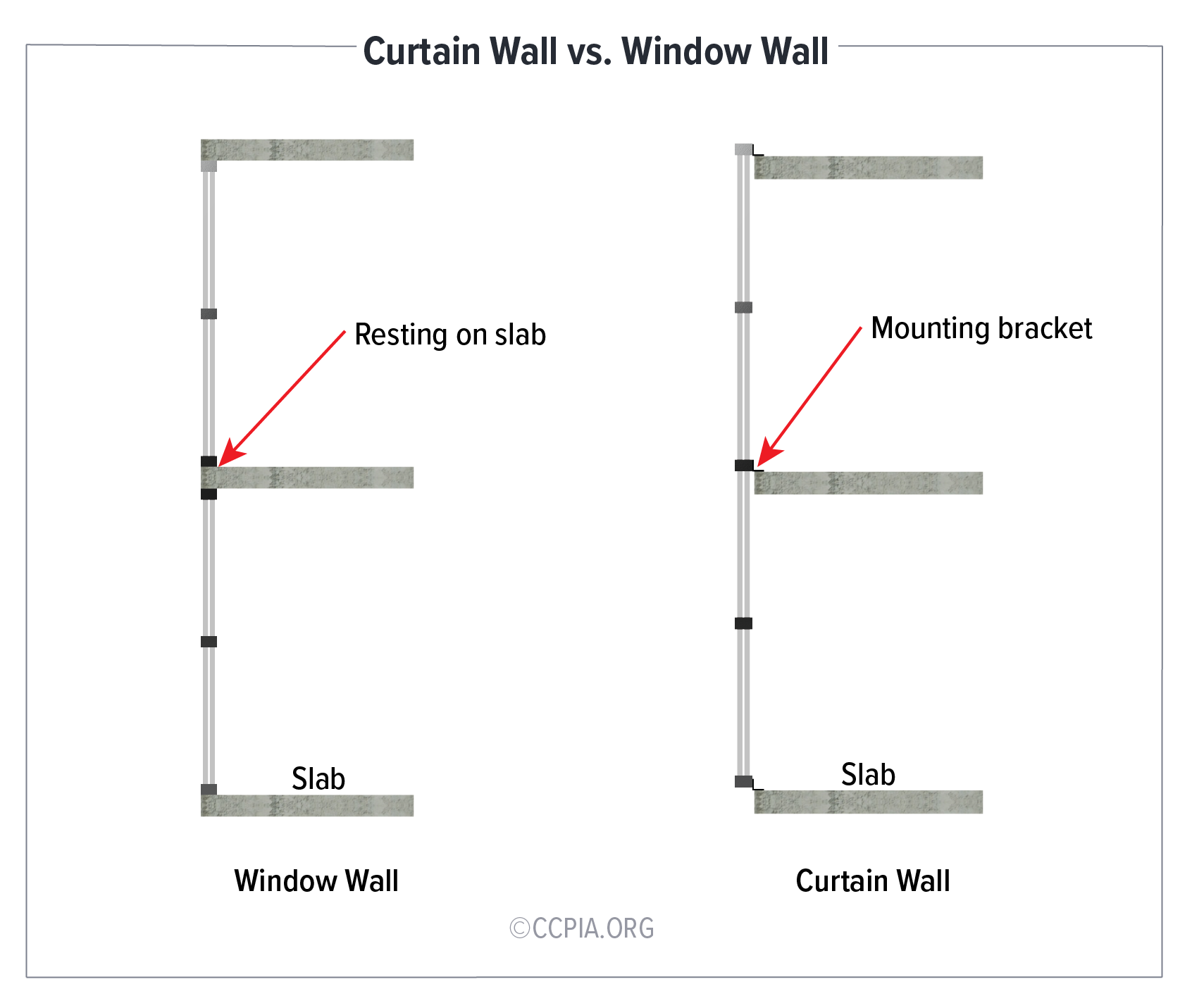
Both window walls and curtain walls are non-load-bearing. A key visible difference is that window walls resemble storefront glazing and are typically installed between floor slabs, creating visible breaks at each floor level. Curtain walls, by contrast, are commonly found on high-rise buildings and often span multiple floors. They are characterized by large areas of continuous glazing and spandrel panels supported by aluminum framing systems. Learn more about the differences between these systems in the Fenestration: Curtain Walls, Window Walls, and Storefronts article.
Inspecting Curtain Walls
From ground level, scan from the foundation to the top of the structure. Assess whether there are deviations from plumb, level, square, and straight that may indicate structural movement or installation deficiencies.
Next, inspect the condition of the visible components, including the glass, aluminum framing, and sealants. Check for the glass for cracking or other signs of physical damage. Rubber gaskets shrink and sealants deteriorate over time from UV exposure, weathering, and age. Check that gaskets and sealants appear in good condition. Document dislodged gaskets, gaps between the frame and glazing, and other signs of deterioration requiring attention to prevent moisture intrusion.
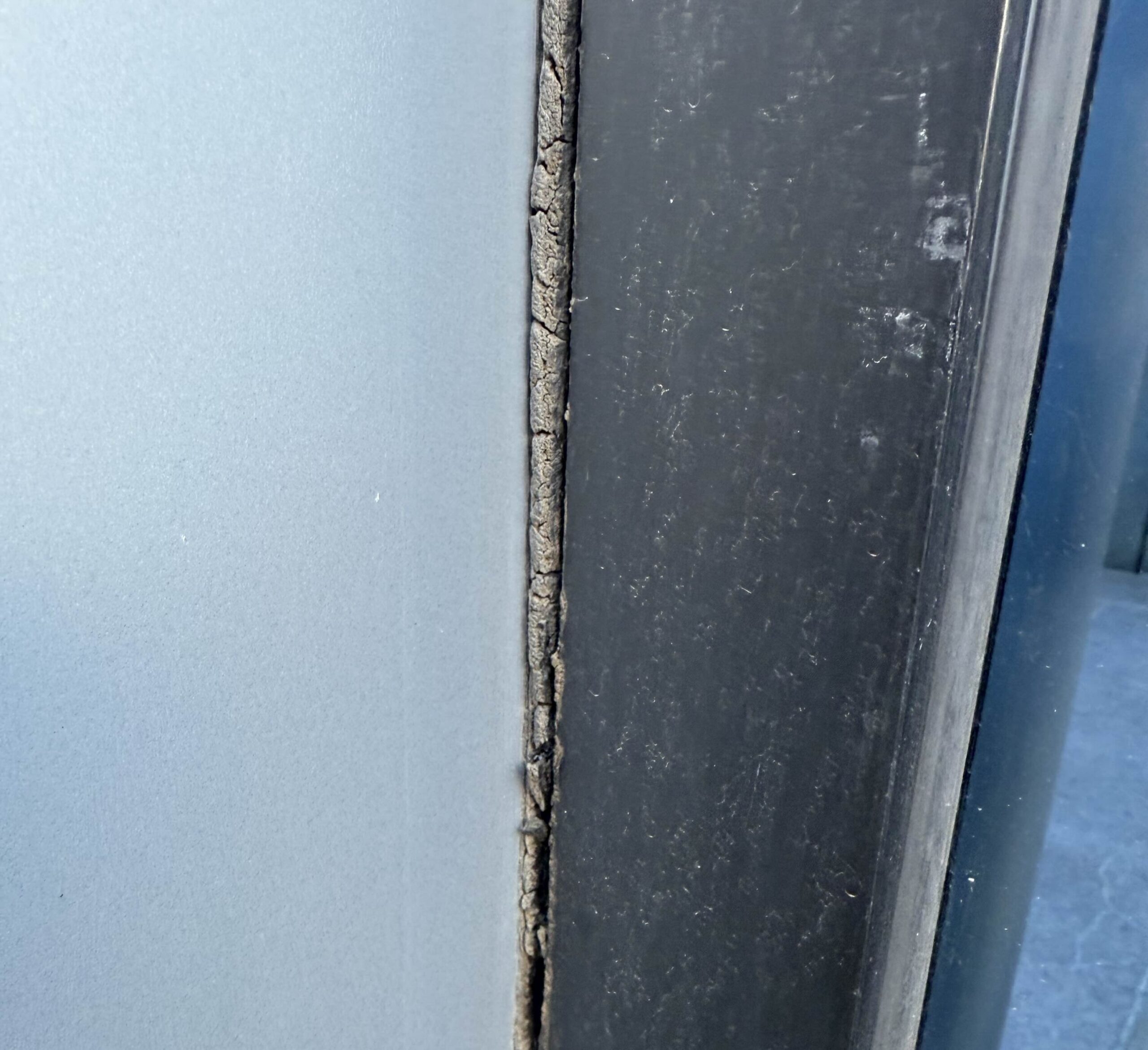
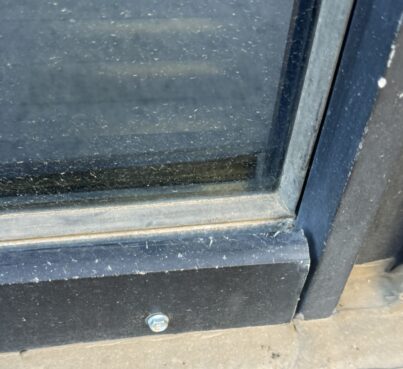
The height of a curtain wall can create inspection limitations. Inspectors may extrapolate observed conditions from readily accessible areas to determine whether similar conditions are likely present at higher elevations, particularly because weather exposure and intensity often increases with height. The baseline scope of the ComSOP outlines that inspectors are only required to inspect a representative number of windows.
Indications of Water Intrusion
Moisture intrusion at higher elevations can travel downward within wall cavities and structural assemblies. Inspectors may find signs of moisture issues at lower elevations from the interior or exterior of the building that originate from higher up. Check for staining, corrosion, damaged finishes, or other moisture-related deterioration.
Sealant around window frames is typically applied for repairs and maintenance. If deferred maintenance is observed, inspect other accessible areas for similar conditions to assess the severity and extent of the issue. While such repairs and maintenance may temporarily reduce leakage, they can also indicate broader deficiencies within the window system.
By carefully assessing curtain wall components and the system as a whole, inspectors can identify conditions that affect building performance, maintenance costs, and long-term asset value. In high-rise buildings, sealant application alone can cost hundreds of thousands of dollars, underscoring the importance of documenting deterioration before it becomes widespread.
Learn how to inspect a variety of exterior wall systems and building envelope components in the self-paced Inspecting Commercial Building Exteriors Online Course, and earn your certification upon successful completion.