


A hidden cost is an observed condition that may not appear significant but results in an unexpected expense for the client. These often stem from items left behind on the property or major repairs that were deferred.
In the video above, the inspector identifies several motors for HVAC equipment left on a high-rise rooftop from past repairs. Materials or equipment left on a property that are no longer in use but create a removal, repair, or risk responsibility for the current or future owner are often referred to as abandoned-in-place liabilities. Such conditions can result in hidden costs related to decommissioning and disposal.
Understanding the Cost
While the motors may not significantly impact property value or pose an immediate safety risk, they represent a condition that can become costly to address due to their quantity, weight, and the logistics required to remove them from the roof.
Large cooling tower motors can weigh 800 pounds or more, making removal from a high-rise rooftop a significant undertaking. Depending on the building, removal may require a freight elevator or crane lift, with costs reaching thousands of dollars. As a result, inspectors may find this work was deferred at the time of the original repair, with costs carried forward as capital expenses to future owners or included in capital planning as immediate or forecasted costs.
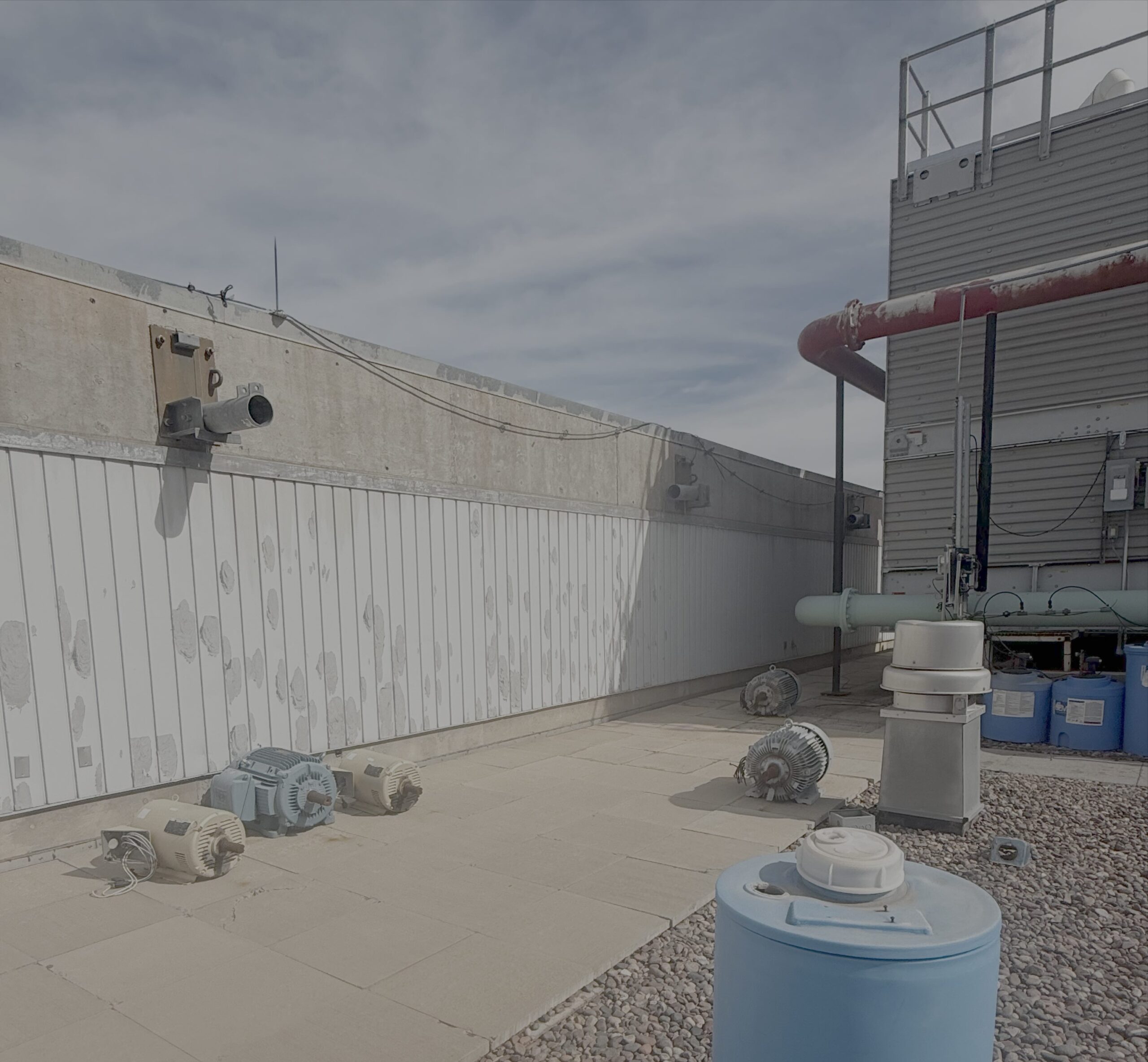
Abandoned motors adjacent to cooling tower
Reporting Considerations
A comment about a hidden cost can be included in the inspection report, while an opinion of cost for a condition can be calculated and presented in a cost to remedy table. During the inspection, potential impacts to the immediate area and the building. For example, abandoned motors indicate that previous repairs were made to rooftop equipment, but the materials left behind may impact the roof surface, load, drainage, and warranty.
Many of the repairs and replacements in a cost to remedy table carry costs beyond time and materials. A roof replacement, for instance, includes costs for removing the existing roof and installing a new one. Note that some equipment and materials also carry additional disposal fees related to environmental regulations.
Inspector Takeaway
Understanding the difference between a material defect and a hidden cost, and communicating it clearly, adds value to the inspection and helps clients make more informed financial decisions related to acquisitions, maintenance, and capital planning.
Abandoned motors are not inherently a material defect. Their presence indicates that a previous repair or maintenance has occurred. During an inspection, consider how abandoned materials and equipment may contribute to broader financial impacts or affect the physical condition of the immediate area and the building as a whole.
For inspectors looking to better understand potential hidden costs in commercial buildings and provide valuable capital planning tools to their clients, the Cost to Remedy Fast-Track Course and the field training version provide practical guidance on how to develop cost opinions for conditions identified during an inspection. Fast-Track courses are delivered virtually, while the field trainings take place at various types of commercial buildings nationwide to give students hands-on experience.